
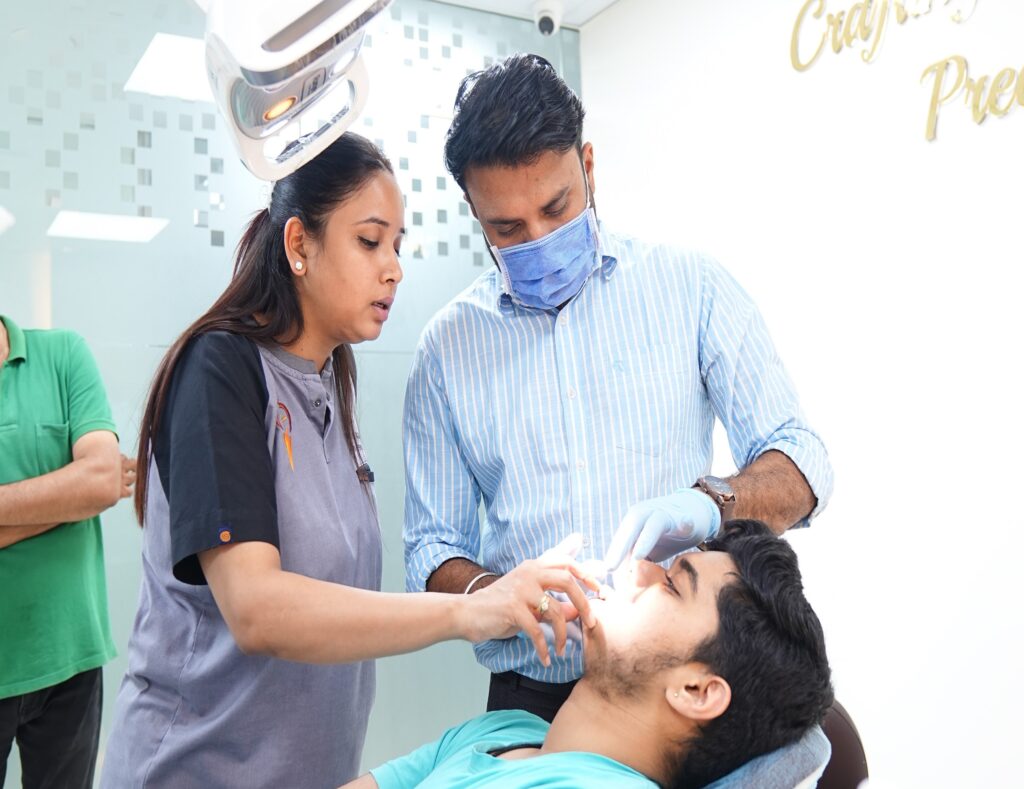
The introduction of dental implants in the market has changed everything about the treatment method for people who have faced the problem of missing teeth, because it has given a solution that provides a look of natural teeth. Some of the advantages that one gets after having dental implants include having a healthy mouth, no risk of bone loss, and an increase in confidence levels.
Vera Dental Care in Jaipur wants everyone to have a healthy and happy smile. And if you have chosen the process of dental implants treatment in Jaipur to replace your missing teeth, then this article will surely provide all the information that you need about the process from the very beginning till the very end. This covers everything you need to know before getting one.
What Are Dental Implants?
Dental implants are a transformative solution which offer a great solution for missing teeth. It restores the functionality of teeth along with durability and an aesthetic look. It is considered a better solution than dentures, crowns, or bridges, depending on the condition.
There are different types of dental implants that you should know.
- Endosteal- it is like a small screw which is surgically inserted into the jawbone, and works as the root of the missing tooth. Over time, the natural jawbone will grow and make it stronger than before.
- Subperiosteal, unlike endosteal, in this process, implants are placed under the gums or above the jawbone. It is recommended for those who have severe bone loss. This advanced solution bypasses bone grafting offer immediate stability.
- Single or full-implants, as the name suggests, can be done depending on the condition. Sometimes people have multiple issues that require more than one implant. For them, this type of method is used.
- All-on-4: If you are someone with missing most of your teeth, then this is a great choice. It is a row of dentures with four dental implants placed on the upper or lower jaw to avoid a bone graft.
- Zygomatic- this is a complex type because, instead of the jawbone, the dental implants are placed into the cheekbone (zygoma). This is recommended to those who have severe bone loss in the upper jaw.
Who is Qualified for Getting Dental Implants?
Vera Dental Care performs dental implants in Jaipur with utmost care so that you don’t have to face challenges. But people with missing teeth are not the only ones who need dental implants; it can be performed on those patients who suffer from the following problems:
- Lacking one or several teeth- if your teeth are not in good condition due to decay or trauma, then the dental implant will be the ideal solution for you to restore your smile.
- Suffering from slippery dentures- if you have difficulty eating because of the slipperiness of the dentures, implants can eliminate the challenges of slipping, clicking, and even painful gum rubbing.
- People with bone conditions- due to the absence of teeth, the bone tissue is shrinking since it is not active anymore. However, the dental implants prevent this process from happening.
- Looking for a low-maintenance solution- in the case of dental implants, there is no need for additional care or special products. With your regular oral hygiene care, you can ensure your oral health.
Note: dental implants require healthy jawbone density, as the implants need a firm and supported anchor to place artificial teeth. Those who are already struggling from jawbone issues, bone graft and jawbone augmentation procedures are performed on them. Once this is done, implantation proceeds. Diabetes, immune system disorders, and smoking can affect this process.
The Steps Involved in Getting Dental Implants
Knowing the whole process makes everything easier as you know what to expect. That is why you need to understand the dental implants procedure step-by-step, so that you know what comes after a particular stage:
1. First Visit
To begin with, a full dental exam needs to be done via the use of x-rays or 3-D imaging technology to determine the condition of your jawbone and gums, as well as the exact point at which an implant is required. The doctor will also get an insight into your medical history during this phase.
2. Treatment Plan
Once all this has been done in the first visit, the doctor will come up with a treatment plan based on the exam findings.
3. Implant placement surgery
The surgery involves the placement of a titanium post, like a tooth root, into the jawbone of a patient. The surgery is performed under local anesthesia; therefore, this surgery will be absolutely painless for the patient.
4. Osseointegration
One of the most important steps in the dental implant surgery process is osseointegration. It is the process by which the jawbone becomes fused with the titanium implant over several weeks or months.
5. The placement of the abutment
After the healing process is finished, the next step in the dental implants procedure where an abutment is placed onto the implant. The abutment creates a bridge between the implant and the crown.
6. The fixation of the crown
The final step in the surgery is fixing the crown to the implant. The crown is specially created to match the colour, shape, and size of a person’s natural tooth.
Advantages of Dental Implants Over Dentures and Bridges
- Prevention of jawbone loss- in contrast to dentures and bridges that fail to stimulate the jawbone just like the roots of natural teeth, dental implants provide stimulation of the jawbone, preventing any form of jawbone loss.
- Independence from other teeth, as compared to traditional bridges that require healthy teeth to be ground, while dental implants are completely independent and, as a result, will not harm the rest of the teeth.
- Durability: When dental implants are taken care of properly, they can actually last a lifetime. However, on the other hand, dentures and bridges will require replacement at some point. Whereas dentures might move during speaking and eating, dental implants are attached to the jawbone and, as a result, they provide comfort and stability.
- Functionality and natural appearance- dental implants look almost exactly like natural teeth. This means that eating, talking, and smiling will become effortless again.
- Maintenance- dental implants are maintained like regular teeth in that all one needs to do is brush and floss regularly, unlike in the case of dentures that need to be cleaned using special solutions.
Recovery Time That is Needed
Even though the time required to recover varies from one person to another, along with their age, the following timetable represents the average recovery duration:
- Within 24 to 48 hours after treatment: During this phase, there is swelling, pain, and, at times, bleeding from the site where the dental implants have been placed. The patient should take pain medication.
- First week: After this week, the patient can perform their regular activities, but they must avoid strenuous activities and eating hard foods.
- 2 to 4 weeks: There will be some healing of the gum tissue within this period.
- 3 to 6 months: This period is very important as this is the period when osseointegration occurs, and the implants integrate themselves into the jawbone.
- Final treatment: Placing an abutment and crown after osseointegration.
How to Clean Dental Implants?
Did you know that around 72.7% of adults experience dental fear and anxiety because of oral hygiene routines and maintenance issues, and this also stops them from getting dental implants? They also don’t know that simple steps, right care, and regular checkups can help them to ensure their oral hygiene. Here are some of the tips that you can follow-
Since childhood, we have been hearing that brushing twice a day is the gold standard for dental hygiene. Saliva production drops by up to 90% at night, and without this, bacteria get the opportunity to feast on leftover food, erode enamel, and cause cavities. But brushing helps to remove leftover food, which ultimately reduces the risk of cavities and ensures the health of implants.
95% of people don’t floss because of low awareness and unfamiliarity. But flossing is a standard way to prevent peri-implantitis around implants, prevent jawbone loss (as it removes deep-seated bacteria that can infect the jawbone), dislodge rotting food particles under prosthetics, and extend the lifespan of dental implants because of deep cleaning.
Antimicrobial mouthwash is a great way to reduce bacteria in the mouth and prevent gum diseases, peri-implantitis, and control bad breath. It is also recommended by most of the dentists after oral surgeries to keep that area protected from infections.
It doesn’t matter whether you have implants or not; regular check-ups are necessary. It helps you to know about the condition of your teeth and lets you know about issues in the early stages. Professional cleaning and care are a must.
Conclusion
The loss of a tooth due to any reason, such as damage caused by it, decay, or just the normal process of aging, may influence not only your looks but also the process of eating and speaking, along with how you look in social surroundings. But nowadays, due to advanced dental treatments, there is an option that will surely provide a solution for your problem permanently: dental implants.
In case you want to get dental implants or missing teeth treatment in Jaipur, then it becomes highly essential for you to visit a dental professional. At Vera Dental Care, we have dental implant dentists in Jaipur who provide customized solutions to each of their patients by using modern technology. So, don’t wait to experience the pain; go visit Vera Dental Care.
FAQ’s
Are dental implants painful?
Patients do feel a little discomfort due to sedation and the surgical procedure, which usually happens in every surgery. And don’t worry, the whole process is done under anesthesia, and even after its effect is gone, you won’t feel that much pain due to medication.
How long do dental implants last?
It depends on the care and oral hygiene. Depending on that, they can last up to 10 years.
Are dental implants safe for diabetic patients?
Only if the diabetes is under control, because it possibly can impact the healing and its longevity, because a high sugar level can increase the risk of infection.
How soon can I eat regular food after getting implants?
Usually, dentists advise waiting for a few weeks so that the wounds can heal along with the spacing area. Till then, it is better to eat soft, non-spicy food and avoid oily food as well.