
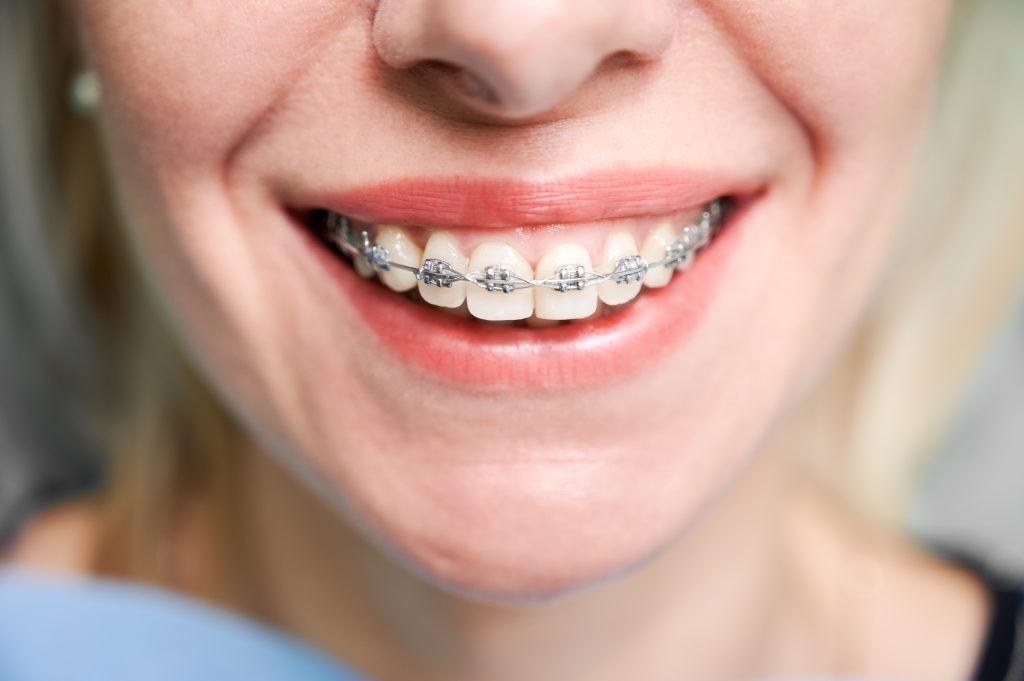
One of the favourite questions of adults: “Am I too old to get braces?”
No, you are not, because one can never get old to get orthodontic treatment, and even the advancement in technique brings a lot of options that can help anyone to improve their dental health. Braces for children and adults have become very common amongst children and adults. But for your concern, let’s dig deep so that you get to know about the best age for dental braces, whether adults can get braces too, and what the differences are in the effectiveness of the outcomes of braces for children and adults.
What is The Best Age To Get Braces?
Best age for braces: Is this really a question in this advanced growing world?
Yes, because it is obvious that many people think that after a certain age there is no point in getting braces. But it completely depends on your dental condition. Typically, between 11 to 14 years old are recommended to get braces. The reason behind the concept is that, by that age, most of their milk teeth are gone, and permanent teeth have emerged. And in braces treatment, their ongoing jaw growth aids efficiency, which helps them to get their teeth most effectively improved.
The only difference between the treatment of children and adults is that, due to maturity and density of bone tissue in adults, their overall treatment time is longer than for children. Children’s bone tissue is vulnerable, so it is easier to fix their issue much sooner.
Braces By Age: What To Know?
- For children:through early evaluation, it is easy to identify dental problems, jaw growth, biting issues, or crowding of teeth.
- Teenagers:by that age, their permanent has appeared, and the jaw is still developing, which gives flexibility to dentists. The process becomes easy because their jaws easily adapt to the changes happening.
- Adults:adults choose braces to correct crooked, crowded teeth, spacing, underbites, and other teeth-related conditions. Older adults can also choose this treatment, but the condition is that their gums and bone must be healthy, they must not be dealing with medical conditions that can cause challenges, and they must have overcome pre-existing dental challenges.
Check Before Getting Braces.
Whether you are taking your child for braces or for yourself, some conditions should be checked to get the desired results.
- Healthy gumsare the key, because orthodontic treatment will be done by putting force on teeth and their surrounding tissues.
- Going for braces with an existing cavityis a big no. Not just adults, but children also get cavities because of their eating habits, so parents need to make sure that they consult with the dentist.
- It is common in adults to have bridges, crowns, fillings, or missing teeth. But they need to remember your existing dental workcan impact their treatment plan.
- Bone and gum supportis crucial in braces for children and adults, because remodeling of jawbone requires healthy surrounding tissues. Children having developing bones is not an issue, as they adapt to the changes easily.
Braces For Children vs. Adults
| Characteristics | Children | Adults |
| Growth | Their jaw and bone density are still developing. | They have attained maturity and bone density. |
| Bone density | Still developing, so it is easy to move teeth faster | Maturity has been reached, and bone becomes denser, so it takes longer to move |
| Treatment time | Minimum 12 to 18 months | Minimum 12 to 20 months, depending on the case |
| Previous dental treatment | Can work with that | Can work with that |
| Success rate | Over 90% | Over 80% |
| Oral habits | Thumb sucking, tongue thrust | Smoking, grinding, clenching, putting needle like to clear tart |
| Functionality | To bite properly and have aesthetically pleasing lips | To chew and bite properly |
| Additional | Advice to wear retainers | They are advised to wear them longer than children to maintain results |
Despite the difference in factors, the outcomes are equally possible in both children and adults, because the purpose of the whole process is to shift teeth to their aligned places for better dental health and an appealing look.
Condition Which Does Not Support Dental Braces?
Usually, dental issues are more common in adults than children. For this reason, this is especially important for all the adults who are thinking about going for braces.
- Untreated tooth cavities and decay-this issue can damage teeth permanently, and the chances of spreading decay increase.
- Active gum disease (Periodontitis)-it can cause bone loss, chronic infection, and extreme discomfort, and braces can further lead to tissue damage or tooth loss.
- Poor oral hygiene-if you are unable to maintain basic cleaning hygiene, then this directly disqualifies you for dental braces. Because wires and rubber, proper cleaning and hygiene become necessary with braces; without that, you can worsen your dental health.
- Ankylosis-it is an abnormal stiffening and immobility of joints because of fusion of tissues and bones. A person with Ankylosis can get braces, but first a specialised treatment is done to extract the fused tooth.
- Root resorption:it is a condition where a tooth has lost its root structure, and applying braces can compromise roots more, leading to increased tooth mobility, shortening, and even loss of the tooth.
It Is Never Too Late For Braces.
If you had braces in childhood, that does not mean you can’t have them later in your life. Yes, there is an age to get the best and fastest results, but in adulthood, you can have the desired result as well; it will take only a few months more. Healthy gums, no existing disease, oral hygiene, and informed consent to existing dental treatment are the only requirements that dentists ask for. So, if you are thinking that, in your adulthood, whether you should go for braces or not, then yes, you should.
Furthermore, dentists like Vera Dental Care can help you to correct your dental concerns. So, don’t wait anymore and book your consultation.
FAQ’s
At what age do I get braces?
Typically, between 12 and 14 is considered the best age for children, but for adults, you can get braces at any age. All you have to have is healthy gums and good oral hygiene.
Do braces hurt?
Due to mild pressure, you may feel discomfort and soreness for at least 2 to 3 days, but it is completely manageable. Make sure to take prescribed medicine and eat soft food only.
How long do I need to wear braces?
For children, 18 to 24 months are recommended, while for adults, 1 to 3 years are recommended.
Are retainers mandatory after braces?
Most of the time, it is highly recommended. Because it helps to keep the position of the teeth in place and does not move to their previous position.
When should I avoid braces?
If you have gum disease, ongoing dental treatment, unhealthy gums, untreated cavities and decay, severe bone and jaw discrepancies, and poor oral hygiene.